Myomectomy: A Comprehensive Overview
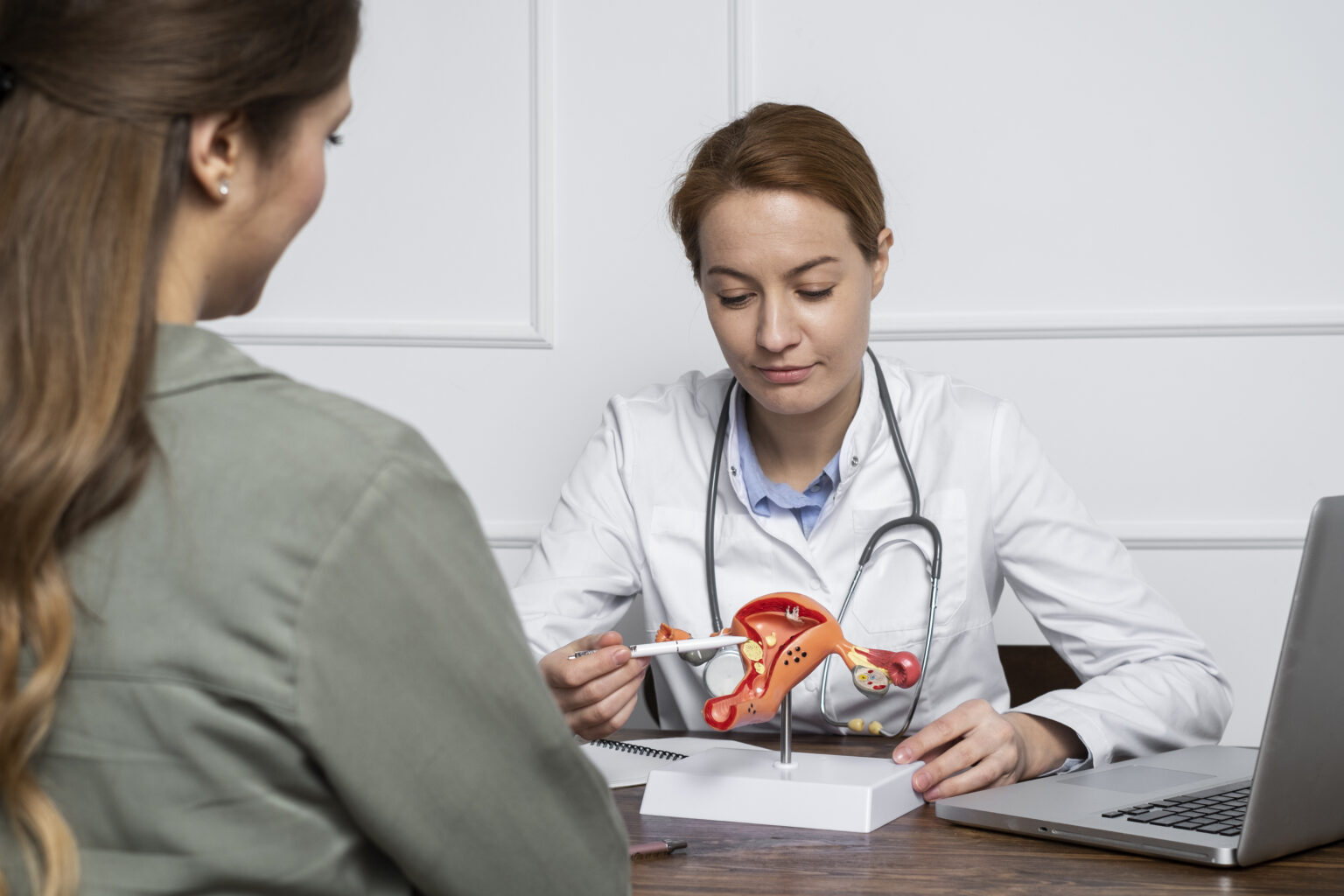
Myomectomy is a surgical procedure aimed at removing uterine fibroids, which are non-cancerous growths in the uterus. This operation is particularly beneficial for women experiencing symptoms such as heavy menstrual bleeding, pelvic pain, and reproductive issues. Unlike a hysterectomy, which removes the entire uterus, a myomectomy preserves the uterus, making it an attractive option for women who wish to maintain their fertility.
Types of Myomectomy
There are several types of myomectomy procedures, each suited to different situations based on the size, number, and location of the fibroids.
Abdominal Myomectomy: Also known as an open myomectomy, this procedure involves a larger incision in the abdomen to access and remove fibroids. It is typically used for larger or multiple fibroids that are not easily accessible through less invasive methods.
Laparoscopic Myomectomy: This minimally invasive technique uses small incisions and a camera (laparoscope) to guide the surgeon in removing fibroids. It results in shorter recovery times and less postoperative pain compared to an open myomectomy.
Hysteroscopic Myomectomy: For fibroids located within the uterine cavity, this procedure involves inserting a hysteroscope through the vagina and cervix. It is a minimally invasive method that does not require abdominal incisions, making recovery relatively quick.
Robotic Myomectomy: Similar to laparoscopic myomectomy, this method utilizes robotic technology to enhance precision and control during the surgery. It offers the benefits of minimally invasive surgery with the added advantage of improved dexterity for the surgeon.
Indications for Myomectomy
Myomectomy is recommended for women who have symptomatic fibroids that impact their quality of life. Common symptoms prompting this surgery include:
Heavy or prolonged menstrual bleeding
Pelvic pain or pressure
Frequent urination or difficulty emptying the bladder
Constipation or bloating
Infertility or recurrent pregnancy loss
Women who wish to retain their uterus and maintain fertility often opt for a myomectomy over other surgical options like hysterectomy.
Benefits and Risks
The primary benefit of a myomectomy is the removal of fibroids while preserving the uterus, allowing for the possibility of future pregnancies. This procedure can significantly improve symptoms and enhance the quality of life for many women.
However, like any surgery, myomectomy carries certain risks, including:
Bleeding
Infection
Scar tissue formation
Potential damage to surrounding organs
Uterine rupture in future pregnancies, particularly if a large number of fibroids were removed or if the uterine wall was deeply cut.
Recovery and Aftercare
Recovery time varies depending on the type of myomectomy performed. Generally, minimally invasive procedures like laparoscopic and hysteroscopic myomectomy have shorter recovery periods compared to an abdominal myomectomy.
Postoperative care includes:
Pain management with prescribed medications
Avoiding heavy lifting and strenuous activities for several weeks
Regular follow-up appointments to monitor healing
Abstaining from sexual intercourse for a period recommended by the surgeon
Most women can return to normal activities within a few weeks, although full recovery may take several months, particularly after an abdominal myomectomy.
Conclusion
Myomectomy is a valuable surgical option for women suffering from symptomatic uterine fibroids who wish to preserve their fertility. With various techniques available, the procedure can be tailored to the individual needs and conditions of the patient. While it offers significant benefits, it is essential to discuss potential risks and recovery details with a healthcare provider to make an informed decision. Through careful consideration and professional guidance, myomectomy can lead to improved health and well-being for many women.